

The Independent
Le Monde
Deutsche Welle (EN)
UNESCO adds West Bank archaeological site, Lebanese castles to World Heritage List despite Israeli objections
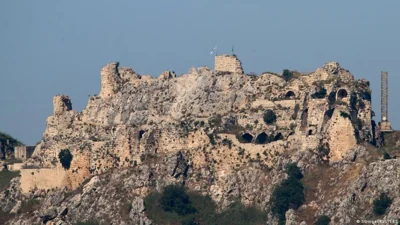
The decision at a U.N. Educational, Scientific and Cultural Organization meeting in South Korea came days after Israel’s Foreign Ministry urged the committee to reject efforts to designate the small West Bank town of Sebastia and the Lebanese castles, calling the nominations a “weaponization of cultural heritage.”
A committee vote on Friday at a UNESCO meeting in Busan, South Korea, placed six locations on both the main World Heritage list and the endangered list at once, under an emergency procedure, citing the toll of the ongoing conflicts in the region.
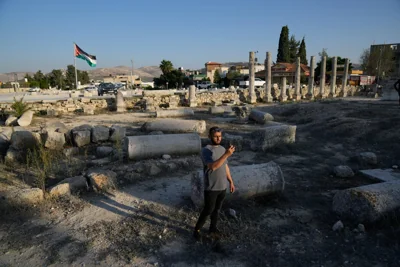
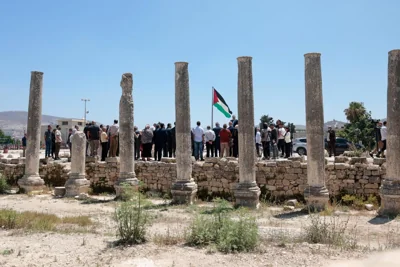
Sebastia, located about 10 kilometres northwest of Nablus, is identified by scholars as ancient Samaria, the capital of the biblical Kingdom of Israel.
The area’s archaeological remains span the Iron Age, Roman, Byzantine and Islamic periods.


