
Interview
“We Were Born on Social Media”: NEXTA Founder Stefan Putsila on Young Audiences, Censorship and the Future of News
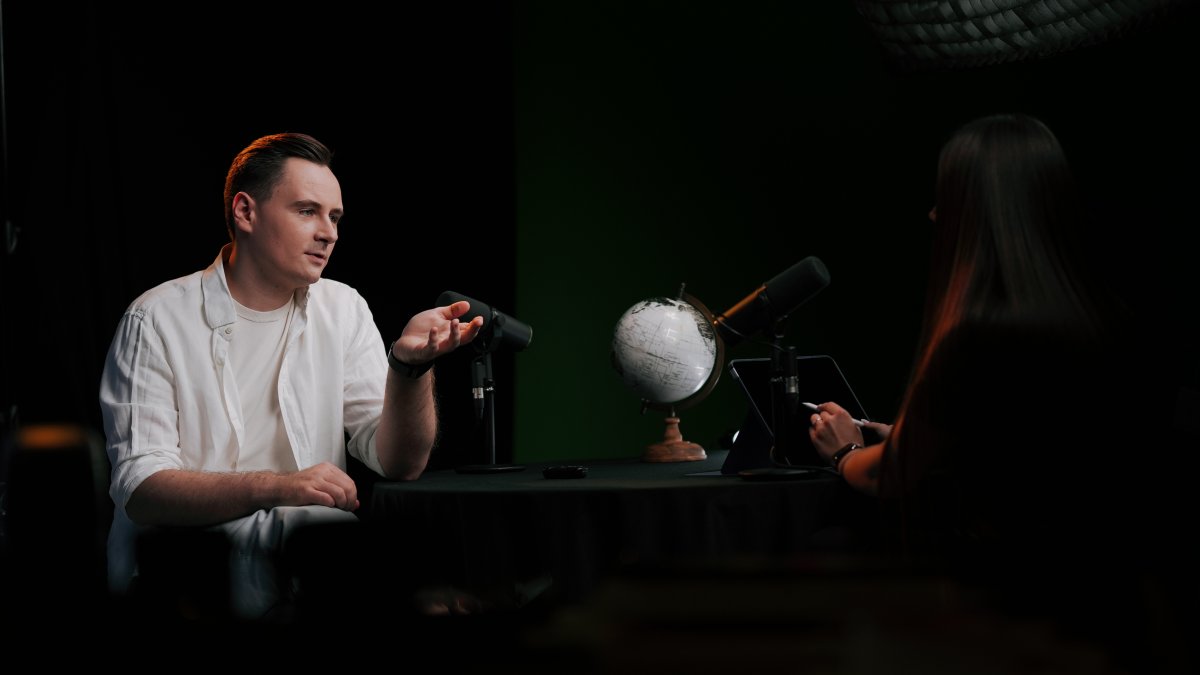
NEXTA founder and CEO Stefan Putsila explains why young audiences have rejected old delivery, how a newsroom earns trust under pressure, and why 600 million monthly views do not automatically create a stable media business.
NEXTA began in Belarus as a YouTube channel in 2015. Today it is a Warsaw-based social-first newsroom with about 25 people, working across more than 20 channels in five languages. Its network generates more than 600 million views and impressions in a typical month. That scale was built in an environment few publishers would choose: censorship, blocked access, platform dependence and direct political pressure.
The wider news business is now moving towards the world NEXTA grew up in. The Reuters Institute Digital News Report 2026 found that social media and video networks have overtaken news websites and apps as a weekly route to news across the markets it studies. For 18- to 24-year-olds, the change is even clearer. In this interview, Stefan Putsila explains what platform-native journalism looks like in practice — and what it still has to learn.
This Q&A has been edited for clarity and length.
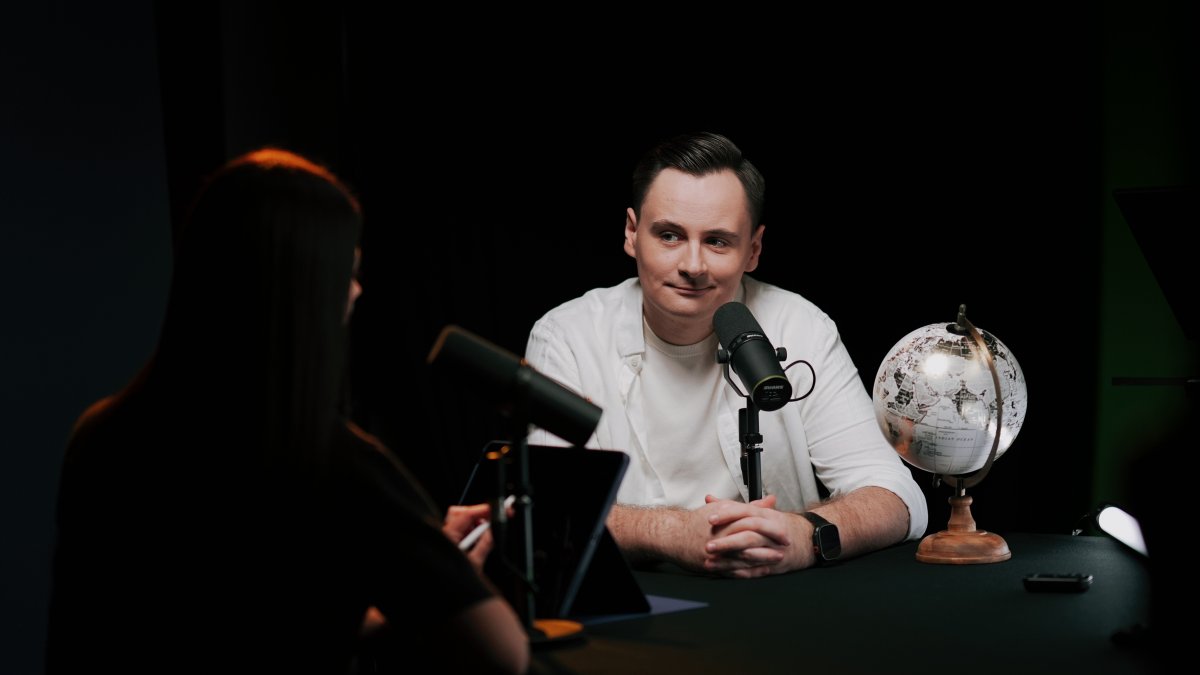
NEXTA began as a YouTube channel. What is it today?
I started NEXTA in 2015 when I was 17. At first it was a YouTube channel and a way to speak about things that state media in Belarus would not speak about. Then the audience grew, the formats grew, and the responsibility grew with them.
Today we are a digital newsroom based in Warsaw, but we were born in Belarus. We have about 25 people and work across more than 20 channels in five languages. In a normal month, the network reaches more than 600 million views and impressions. We produce breaking news, daily video, investigations, explainers and original formats. We also work with sources inside places where independent journalism is dangerous.
The simple difference is this: we did not move from traditional media to social media. We were born there.
Why does being born on social media matter?
It changes the order of work. Many traditional newsrooms make an article or a television segment first and ask about social media at the end. We start with the platform. We ask where the story will live, who will see it there, and what the person needs in the first few seconds.
One important story can become several products: a fast Telegram update, a short vertical video, an X thread, a longer YouTube explanation and an article on the website. The facts stay the same. The doorway changes. The platform changes the grammar of the story, not the truth of it.
What do newsrooms misunderstand about younger audiences?
They often begin with the idea that young people do not care about news. Honestly, I think this is the wrong starting point. Young audiences have not rejected news. They have rejected old delivery.
The Digital News Report 2026 found that 52 percent of people aged 18 to 24 say social media, video networks and AI chatbots are their main way of getting news. This is not the disappearance of demand. It is a change in how demand reaches us.
And I do not believe young people have no attention span. They have a low tolerance for slow value. If they understand quickly why a story matters, they will stay. If the first minute is just a long introduction, they leave… and honestly, I understand them.
Young audiences have not rejected news.
They have rejected old delivery.
So is the feed the new front page?
For many younger people, yes. The feed is becoming the new front page. But it is a front page that no editor controls. Your report about a war can appear between music, sport, comedy and a message from a friend. That changes the competition. Our competitor is not only another newsroom. Our competitor is the next swipe.
This does not mean shouting louder or making everything dramatic. It means showing the value early. Say what happened. Show why it matters. Give one reason to stay. You can respect the audience and still understand the feed.
Does that mean everything has to be short?
No. Short video is a door, not the whole building.
The Reuters Institute’s research on online news video found that 52 percent of 18- to 24-year-old YouTube news users watch news videos longer than five minutes each week. That is a useful correction to the usual story about Gen Z. They will watch longer content when the platform and the subject make sense.
At NEXTA, a short clip can introduce a question. A longer YouTube video can explain the context, evidence and consequences. The website can keep the full record. Different lengths do different jobs.
What should a traditional newsroom change first?
Stop treating social media as the final distribution step. Distribution starts before production. Choose one audience, one platform and one product. Give a small team real ownership and enough time to learn. Do not ask them only to cut television into vertical pieces.
I would also avoid building a huge strategy before publishing anything. Start, measure and improve. Platform knowledge is practical knowledge. You learn it from real stories, real comments and real retention curves.
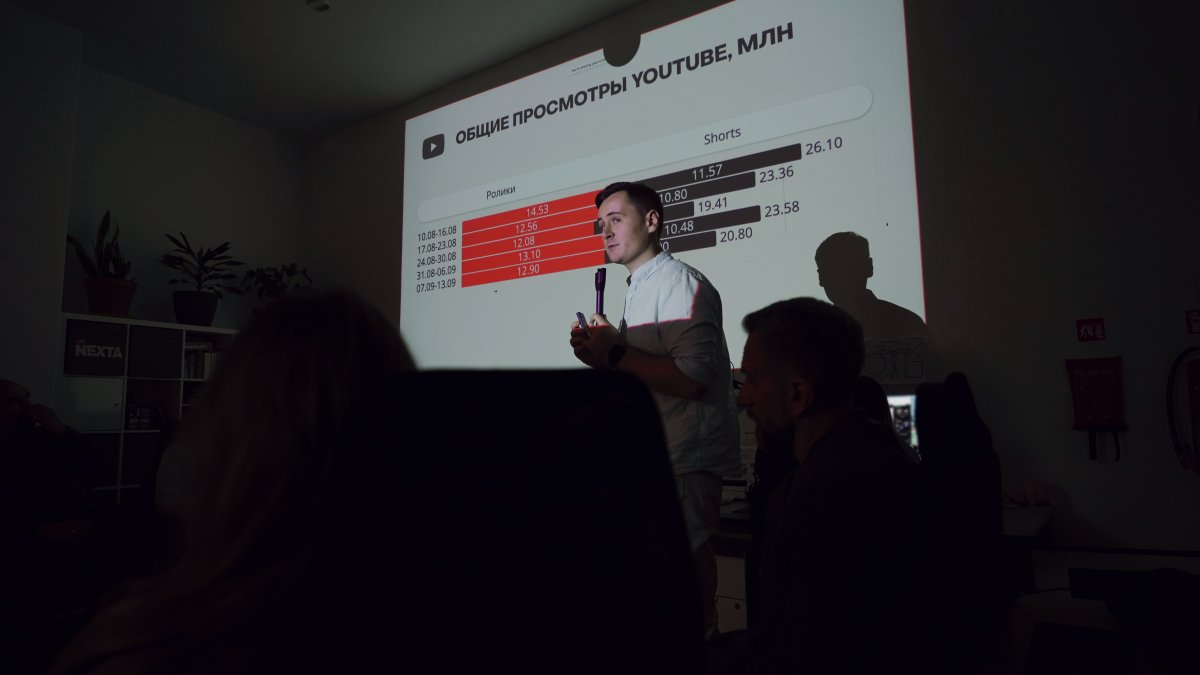
Creators are becoming more important in news. What can newsrooms learn from them?
Creators understand that people want a voice, not only a logo. They speak directly. They explain why they care. They build a habit with the audience. Traditional media sometimes remove so much personality that the result feels distant.
But there is an important limit. Personality can create connection; it cannot replace verification. The strongest model for me is a human face in front and a professional newsroom behind. A creator can make the first contact. The newsroom gives that contact standards, editors, legal care and continuity.
This is also why I do not see creators and newsrooms as natural enemies. The Reuters Institute findings on creators show that most people use creators alongside traditional media, not instead of it. There is a real space for better cooperation.
How do you know whether an audience trusts you or simply watches you?
Views show exposure. Returning during a crisis shows trust.
We look at whether people come back, whether they send us information, whether they share a correction, and whether they choose us when the situation becomes serious. In 2020, people in Belarus did not only read NEXTA. They sent videos, photographs, documents and first-hand accounts. That relationship changed our newsroom.
What did the 2020 Belarus protests teach you about journalism?
They taught us that an audience can become part of the newsgathering network. When internet access was heavily restricted and state media stayed silent or repeated propaganda, people sent us fragments of reality from across the country. One video did not explain the whole event. But many verified pieces could show what was really happening.
The difficult part was not only publishing fast. It was checking where and when something was filmed, comparing buildings and weather, looking for a second source, and protecting the person who sent it. Sometimes the responsible decision was to publish later. Sometimes it was to publish only the verified part. Speed matters, but certainty labels matter more.
That experience still shapes us. We are clear about our values and strict about our facts. If something is confirmed, we say confirmed. If it is reported, claimed or unclear, we say that too. Trust is not a tone of voice. It is a record of behavior.
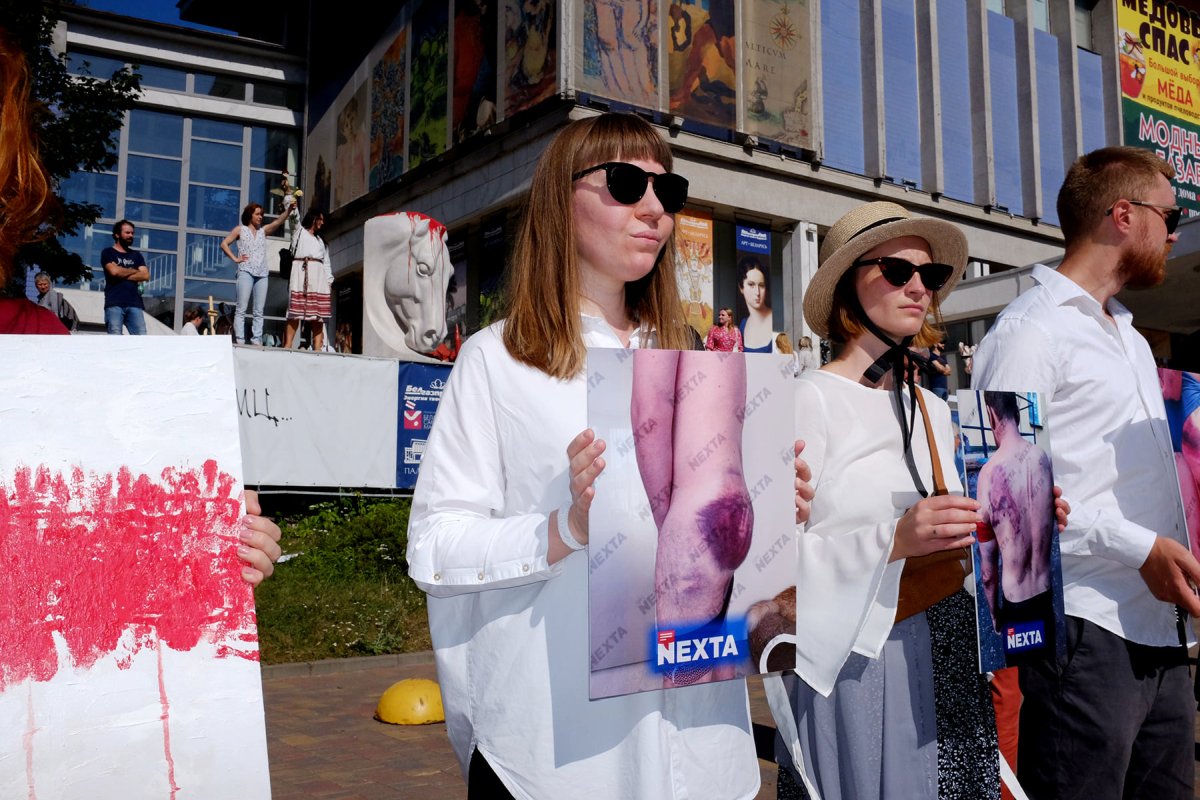
How does censorship change the relationship with the audience?
It can make the relationship invisible. Our website is blocked in Belarus. Authorities have tried to block or remove our channels. People can face phone checks, so some unsubscribe, delete their history or avoid visible reactions. But they still return through VPNs, shared links and other routes.
This is important: do not confuse an invisible audience with an absent audience. Censorship can hide the connection, but it does not remove the demand. People are afraid, of course. The answer is not to pretend fear does not exist. The answer is to make journalism useful enough, and access safe enough, that people still choose it.
Censorship can hide the connection,
but it does not remove the demand.
NEXTA has a clear position on dictatorship and war. How do you protect factual standards?
Being independent does not mean having no values. We support freedom, democracy and the right of people to know what is happening. We are open about that. But facts still need their own discipline.
We separate what we know from what we think. We show evidence when it is safe. We correct mistakes visibly and quickly. We do not ask the audience to trust us because of a slogan or because we are against the regime. We ask them to judge our behaviour over time.
Where do you draw the line between speed and verification?
The more harm information can cause, the more checking we need. If it can expose a source, create panic or influence people’s safety, being first is not enough. We can publish the confirmed part and hold the rest. A correction is necessary when we are wrong, but it is not a substitute for care before publication.
More than 600 million monthly views sounds like a strong business. Why is sustainability still difficult?
Look, it is a very large number, and we are proud of it. But reach and revenue do not grow at the same speed. More than 600 million monthly views and impressions show audience scale. They do not guarantee financial stability.
Roughly half of our revenue is still linked to YouTube. That means a change in policy, advertising rules or monetisation can affect the newsroom very quickly. In Belarus and Russia, advertising restrictions reduce the value of very large audiences. Political pressure and the labels imposed on NEXTA by the Belarusian authorities also make some advertisers and partners cautious.
At the same time, serious journalism costs money. We pay people, taxes, security, verification, technology, travel and production. A newsroom can be very visible and still be financially fragile. I think this is one of the least understood problems in digital media.
Six hundred million views is audience scale.
It is not a balance sheet.
How are you trying to reduce that dependence?
We are building around work we already know how to do. That includes licensing our footage and formats, direct partnerships, production services, media training, studio work, our NEXT Step VPN product, and support from the audience. We are not trying to invent ten unrelated businesses. We are trying to turn our editorial knowledge and production capacity into several stable revenue lines.
The website also matters here. Platforms are for discovery and reach; the website is for depth, trust and a direct relationship. We are platform-native, but we cannot afford to be platform-loyal. No independent newsroom should depend on one algorithm or one source of income.
What makes a useful partnership between NEXTA and a larger media organisation?
We bring things that are difficult to copy: access to sources in restricted environments, speed, original footage, knowledge of the region and native reach on platforms. A larger partner can bring wider distribution, legal capacity, sales systems, production budgets or access to a new market. The partnership works when both sides add something real.
The usual problem is not the first conversation. Everyone likes the idea. The choke point comes later: a slow contract, unclear rights, no budget owner, or five people who can discuss the project but nobody who can decide. My practical answer is simple: start with one product, one rights agreement and one decision-maker. Prove the model, then expand it.
What should partners understand about working with media under political pressure?
Normal paperwork can become a security issue. Asking for the wrong document, naming a source in a shared file, or even payment can create real risk for someone. Partners need clear secure communication, fast legal decisions and respect for anonymity. This is not special treatment. It is part of doing the work responsibly.
They should also understand that support is strongest when it builds capacity, not dependence. Help us protect sources, improve verification, produce original reporting and develop revenue that can continue. That creates a stronger newsroom after the project ends.
Where does AI fit into the NEXTA newsroom?
AI is useful for routine work: transcription, translation, subtitles, searching archives and creating first versions for different platforms. This can save a small team many hours. But a human editor must remain responsible for names, context, sources, legal risk and the final decision to publish. AI should remove routine work, not responsibility.
Honestly, a year or two ago, everyone was excited about AI. Now I can already see some rejection, especially when people notice AI-generated images in music videos or other creative work. People still want something human: real faces, real voices, emotions and even imperfections.
For some time, the popular service was: “We will introduce AI into your company.” Soon, I think, another popular service will be: “We will make your AI content sound human again.” Or maybe it already exists.
There is an old term called the uncanny valley. It describes the uncomfortable feeling people get when a robot looks almost human, but something still feels wrong. I think AI-generated content may create a similar reaction.
Using AI inside the process is fine. Let it organise, translate, search and save time. But using it to replace people where we need real emotions, creativity and human connection? I do not believe in that. Technology can support the human part. It should not replace the reason people care.
And yes, AI also helped us shorten and polish this interview. It removed repetition, improved the structure and saved time. But the ideas, experiences and opinions are mine. AI did not replace my voice; it helped me express it more clearly. That is exactly the balance I mean: use AI as a tool, but keep the human in control.
There is also a distribution question. People are starting to ask AI systems for explanations instead of opening ten links. The Digital News Report says weekly use of AI chatbots for news has reached 10 percent globally and 16 percent among people under 35. We learned how to win the feed. Now we need to win the answer.
For publishers, that means clear sourcing, original reporting, useful structure and consistent authority. If an AI system summarises your journalism, it should still be possible for the user to see where the facts came from and why the source deserves attention.
Can an algorithm tell you what journalism to make?
No. The algorithm tells us what travels. It cannot tell us what matters. We use data to improve the entry point, length and format. We do not use it to replace editorial judgement. A public-interest story may need to be published even when it will not become the biggest video of the day.
What would you tell a newsroom that wants to reach younger people tomorrow?
Pick one audience, one platform and one repeatable product. Put a real person in charge. Publish natively for several months and measure whether people return, not only whether one post becomes viral. Keep the standards, but let the format change. Adapt the format, not the standards.
What does the future of news look like from NEXTA’s perspective?
It will be more distributed. People will discover one newsroom through a feed, another through a message, a YouTube show, a smart television or an AI answer. Many will not begin on a homepage. News organisations have to be recognisable and trustworthy even when the logo is small and the platform is in control.
I do not think the future is creators against newsrooms. The strongest model is a human voice in front and a professional newsroom behind it. Personality creates connection. Standards create trust. A sustainable business protects both.
Technology will keep changing. The need does not. People still want someone to find the facts, explain what matters and take responsibility for the result. Our job is to meet them where they are without losing what journalism is for.
Support independent journalism
NEXTA reports across Belarus and Eastern Europe while operating under censorship and political pressure. Audience support helps fund source protection, verification, security and independent production. Learn more about NEXTA or support the newsroom.